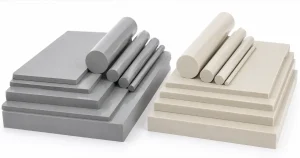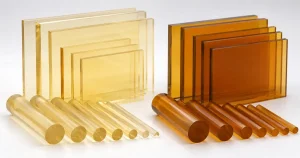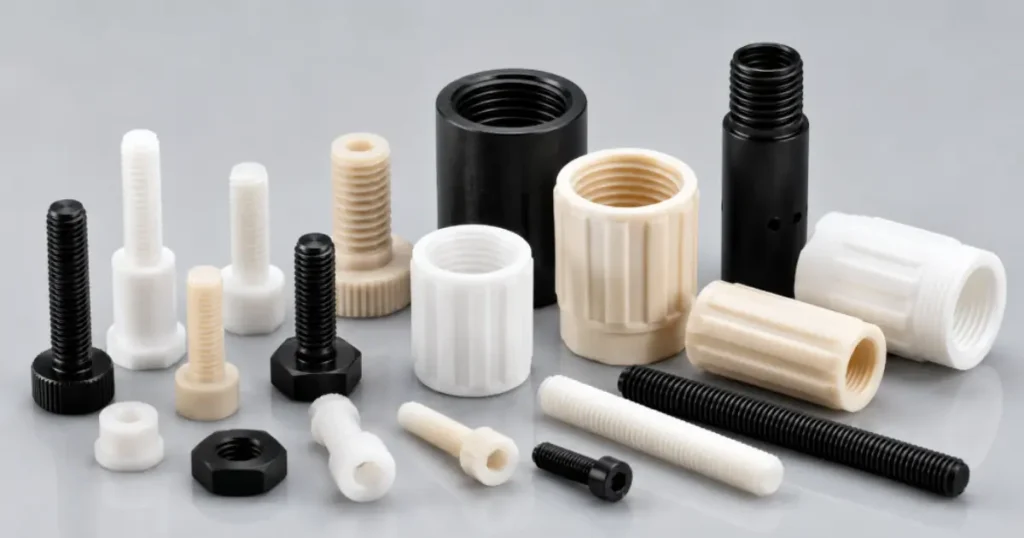
Threading high-performance engineering plastics requires specialized technical expertise distinct from traditional metal machining. Whether fabricating a prototype or manufacturing high-volume industrial components, threading operations on plastic rods and tubes demand strict control over thermal expansion, material deflection, and cutting parameters. Engineering plastics like PEEK, PTFE, PFA, and POM possess unique physical attributes that dictate how internal and external threads are cut, tapped, or milled to ensure strict dimensional stability.
1. Technical Dynamics of Threading Engineering Plastics
Unlike metals, plastics exhibit high elasticity and a relatively low coefficient of thermal conductivity. During the threading process, frictional heat accumulates rapidly. Without proper precision settings, this thermal stress leads to material deformation, micro-cracking, and pitch errors. To prevent these quality issues, operators must balance surface cutting speeds with specific tool geometries.
- Elastic Recovery: Engineering plastics tend to “rebound” or shrink slightly after a cutting tool passes. Taps and dies must be kept exceptionally sharp, and oversized taps are sometimes required to achieve standard thread clearances.
- Thermal Management: Continuous chip accumulation traps heat. High-speed steel (HSS) or carbide tools with large rake and clearance angles are essential to evacuate chips efficiently and prevent local melting.
2. Internal vs. External Threading Techniques
Achieving structural integrity in non-standard custom plastic fasteners or threaded sleeves depends heavily on choosing the right machining methodology for internal and external geometries.
Internal Threading (Tapping & Thread Milling)
Machining internal threads in plastic tubes or bored rods is typically done via single-point thread milling or fluteless/fluted tapping:
- Thread Milling: The preferred method for high-performance plastics like Natural PEEK or PFA. It reduces mechanical stress and offers superior chip control by cutting threads in progressive helical passes.
- Tapping: When using taps on deep blind holes, blind-hole spiral flute taps are used to force chips upward and out of the hole, mitigating the risk of thread stripping.
External Threading (Lathe Turning & Die Cutting)
For custom plastic screws, threaded rods, and custom plastic fittings, external threading is executed on precision CNC lathes:
- Single-Point Turning: Multiple light passes prevent the flexible rod or tube from deflecting. Utilizing a follow rest or sub-spindle is critical when the length-to-diameter ratio exceeds 3:1.
- Die Cutting: Suitable only for low-precision, highly rigid plastics. It is generally avoided for critical semiconductor testing components due to micro-stress fractures.
3. Material Performance Comparison for Threaded Components
Selecting the optimal polymer is critical to avoid structural failure or thread shearing under load. The table below outlines key technical specifications for prominent machinable engineering plastics:
| Material Type | Tensile Strength (MPa) | Machinability Rating | Optimal Applications | Threading Note |
|---|---|---|---|---|
| Unfilled PEEK (Natural Tan) | 90 – 100 | Excellent (Rigid) | Semiconductor testing parts, Aerospace fasteners | Highly burr-resistant; requires razor-sharp tooling to maintain tight tolerances. |
| PTFE (Teflon) | 20 – 35 | Moderate (Soft) | Chemical tubes, Corrosion-resistant valves | Prone to elongation; requires supporting fixtures and light cut depths. |
| PFA | 25 – 32 | Fair | Ultra-pure fluid handling, Semiconductor wet benches | High creep tendency; thread pitch must account for slight cold flow deformation. |
| POM (Acetal) | 60 – 70 | Outstanding | Mechanical gears, Structural plastic screws | Produces highly consistent, clean, and distinct continuous chips. |
4. Best Practices for High-Precision Plastic Threading
- Pre-Drill Sizing: Always drill minor diameters slightly larger than the standard chart for metals. This counters the material’s elastic recovery behavior.
- Coolant Selection: Use water-soluble or air-mist coolants to clear heat and clear chips instantly. Avoid sulfur-based oils that compromise polymer chemistry.
- Deburring Protocols: Plastics leave flexible burrs at the root and crest of threads. Implement a secondary reverse-pass or specialized deburring brush to guarantee clean engagement.
5. Frequently Asked Questions (FAQ)
Q1: Why do plastic internal threads feel too tight even when using a calibrated tap?
A: This is caused by elastic recovery. High-performance polymers compress under the mechanical load of cutting and expand back once the tool is extracted. Using a slightly oversized tap (e.g., GH3 or customized precision tolerances) resolves this.
Q2: Can PEEK threads be used in high-temperature environments?
A: Yes, machined Natural PEEK threads retain excellent mechanical property integrity and load stability up to 250°C (482°F), making them perfect for semiconductor testing and aerospace frameworks.
Q3: How do you prevent stripping when assembling custom plastic screws?
A: Torque control is paramount. Plastic-to-plastic threaded configurations have lower shear limits than metals. Always design coarser thread pitches (like UNC) for load-bearing polymer joints.
Looking for certified components or OEM custom fabrication? Explore our Plastic Screw catalog or submit your blueprint directly on our official Contact Page for expert structural consulting.